
Overview
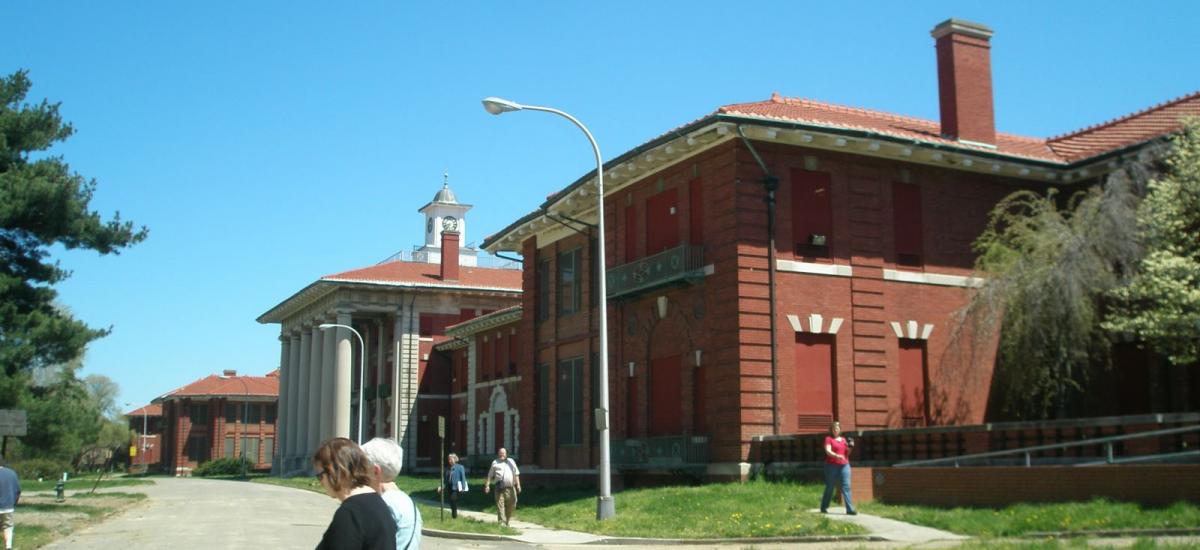
Understand how buildings and landscapes contribute to the institutional identity of campuses, complexes, and installations. Discuss how to integrate historic preservation considerations into the master planning process when faced with development pressures and the need to expand boundaries and reconfigure facilities. By analyzing campus evolution and history and identifying significant elements, learn how to use critical thinking in developing a plan that meets client needs and preserves cultural resources.
Faculty
Karen Van Citters, CSI, CDT, principal, Van Citters Historic Preservation, and an architectural historian and historical architect specializing in preservation planning, the restoration of historic structures, and project management for interdisciplinary cultural resource projects
Evaluation Comments
“Opened my eyes to the benefit of preservation planning as part of master plan development and future development choices.”
“[I now have] a better appreciation of the role of planning in the preservation of a campus.”
“The seminar helped me to clarify my thoughts about the similarities between military installations and college campuses.”
“Instructors has lots of useful experience … discussion was very helpful.”
Participants
Staff of campuses, complexes, and installations, including airports, corporate campuses, educational institutions, estates, government facilities, hospitals, industrial complexes, military bases, museums, and parklands.
Related Trainings
ArcGIS for Cultural Resources: An Introduction
ArcGIS for Cultural Resources: Advanced Techniques
Cultural and Natural Resources: An Integrated Management Strategy
Cultural Landscapes: An Introduction
Cultural Landscapes: Advanced Tools for Managing Change
Historic Property Management
HSRs and Maintenance Plans: Tools for Preservation
Preservation Planning and Policy Development for Historic Roads
The Secretary of the Interior’s Standards: An Overview
Customized Training
This in-person seminar is currently not scheduled, however NPI offers customized training to meet specific organizational needs at a location and time convenient for the sponsor. In-person seminars, online, on-demand courses, and/or webinars may be based on current NPI offerings or new preservation-related training may be developed.
Questions?
Contact NPI at 703.765.0100 or info@npi.org.